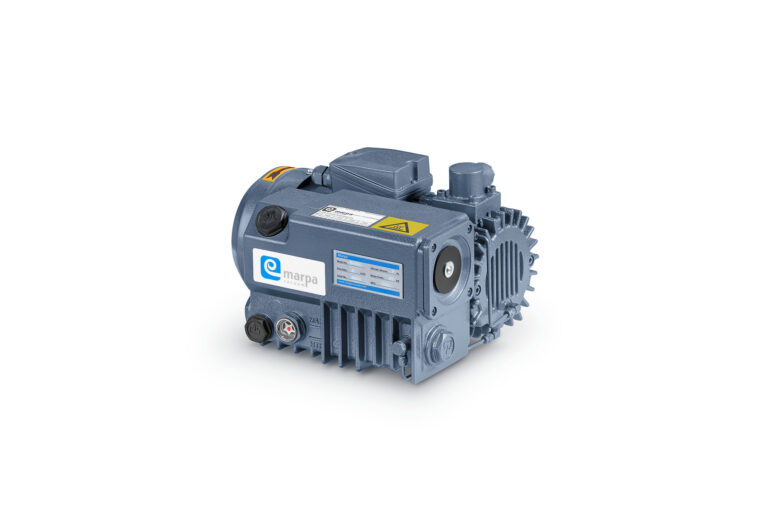
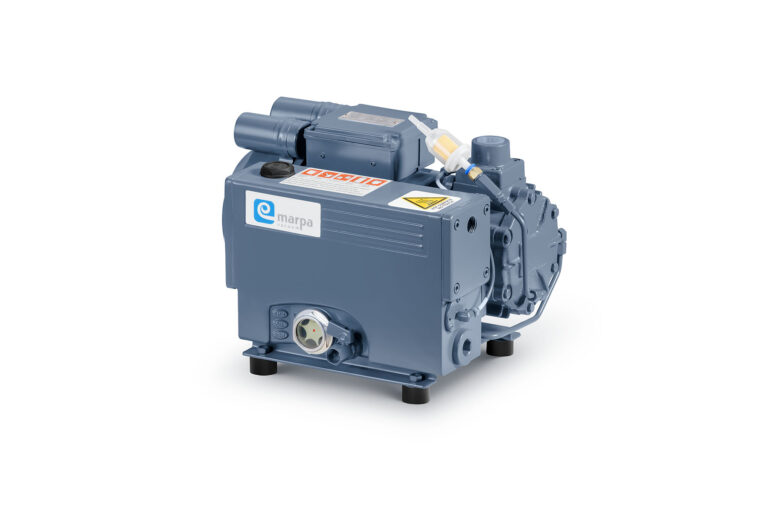
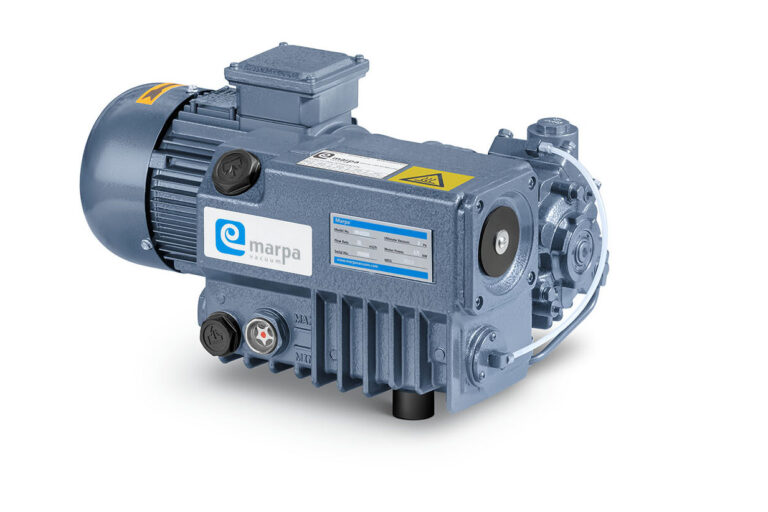
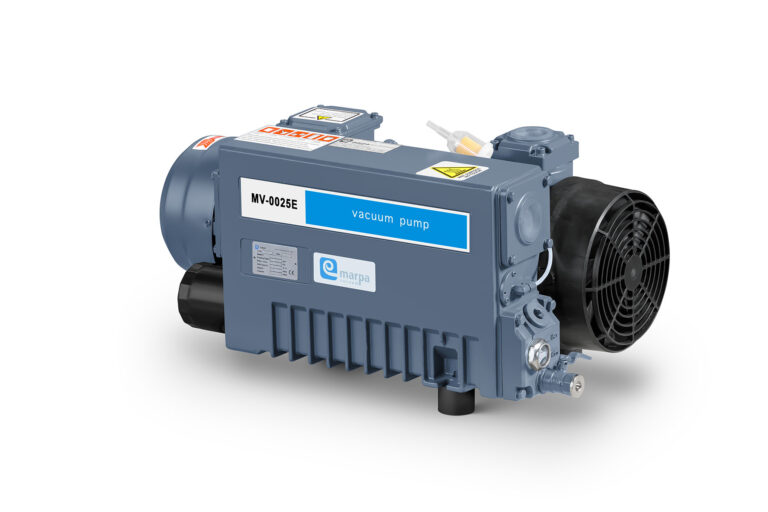
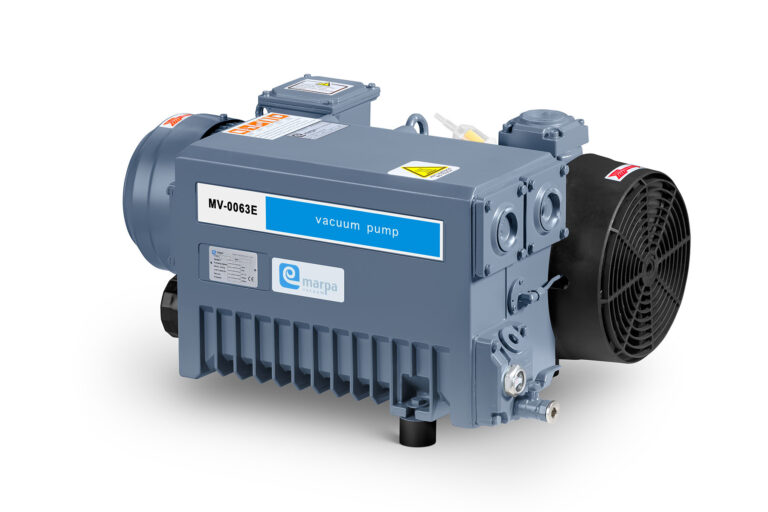
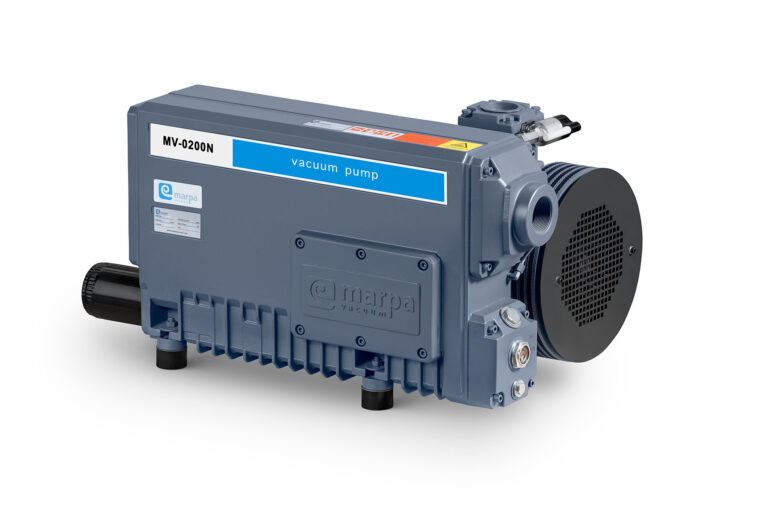
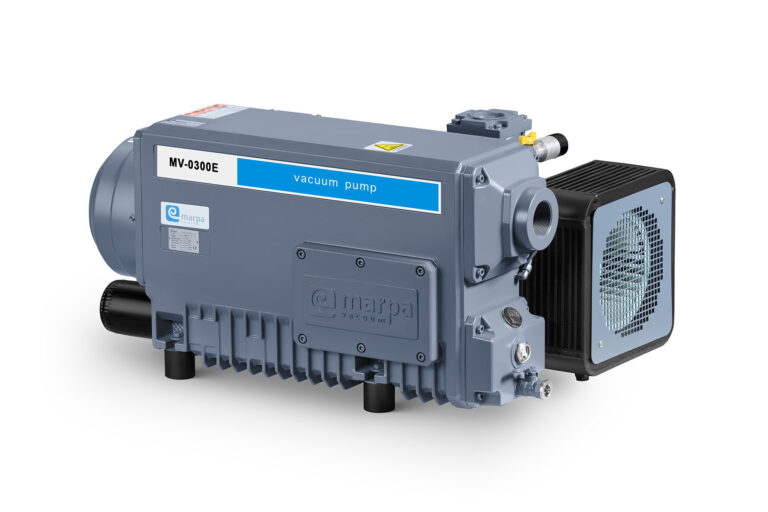
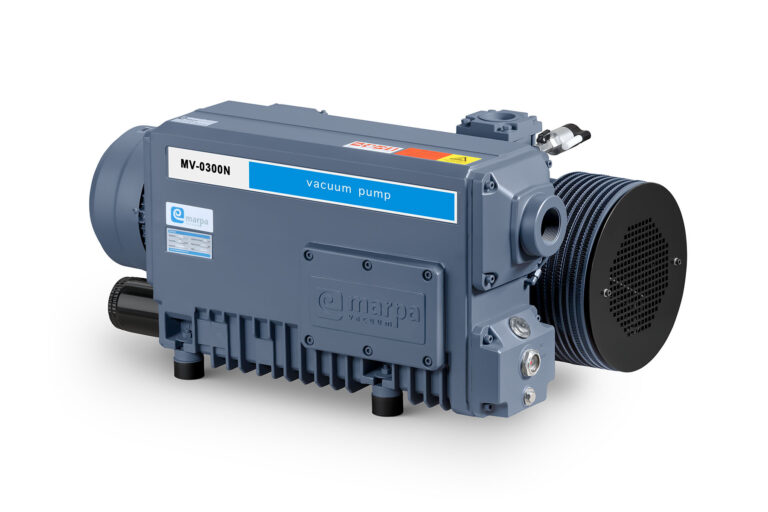
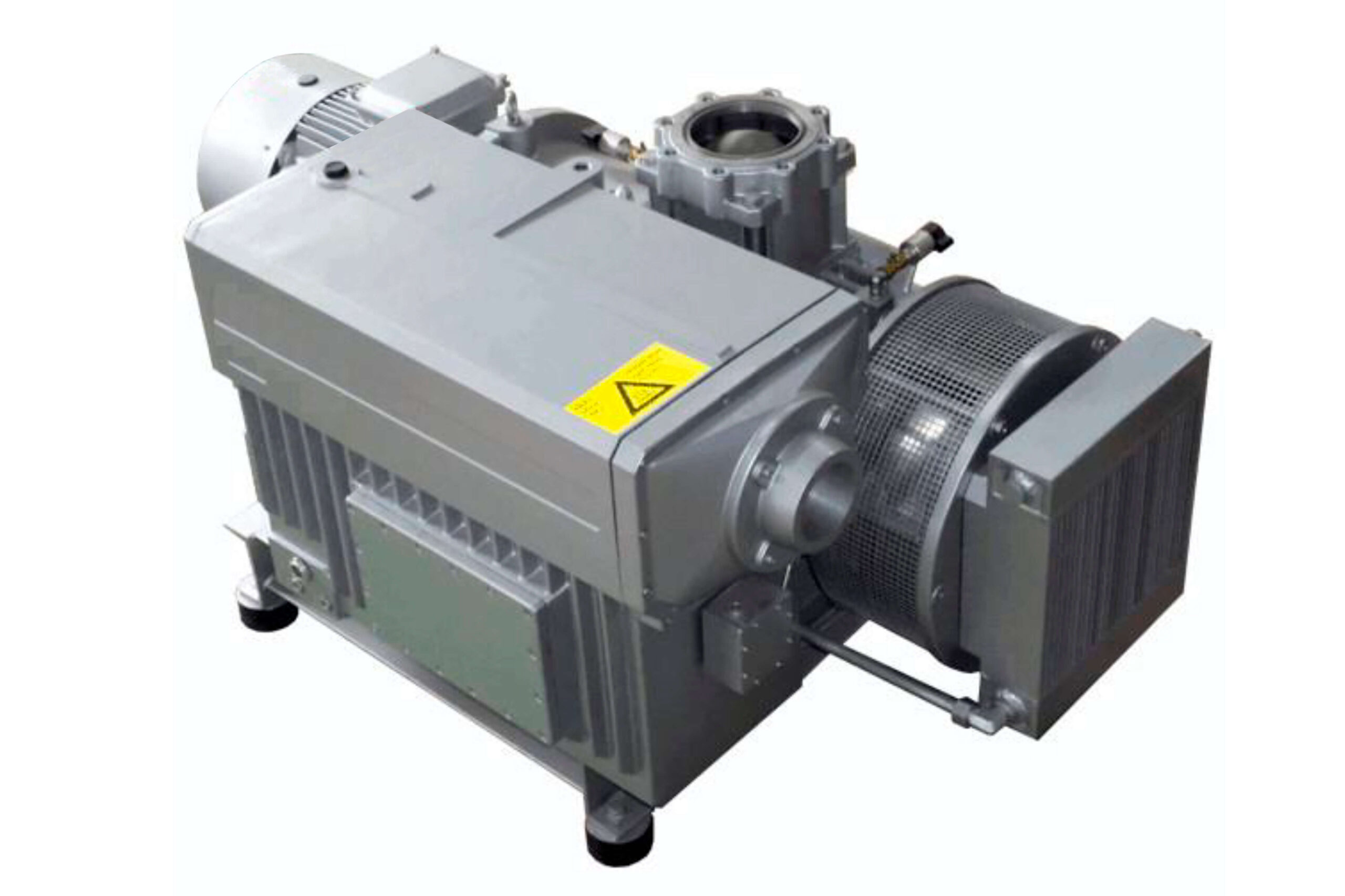
Single-stage lubricated rotary vane vacuum pumps

Lubricated rotary vane pumps are one of the most widespread and proven vacuum technologies in industry. Robust, technically straightforward and built to a very solid standard, they offer a wide performance range and provide a reliable solution for processes requiring an ultimate pressure close to 1 mbar absolute.
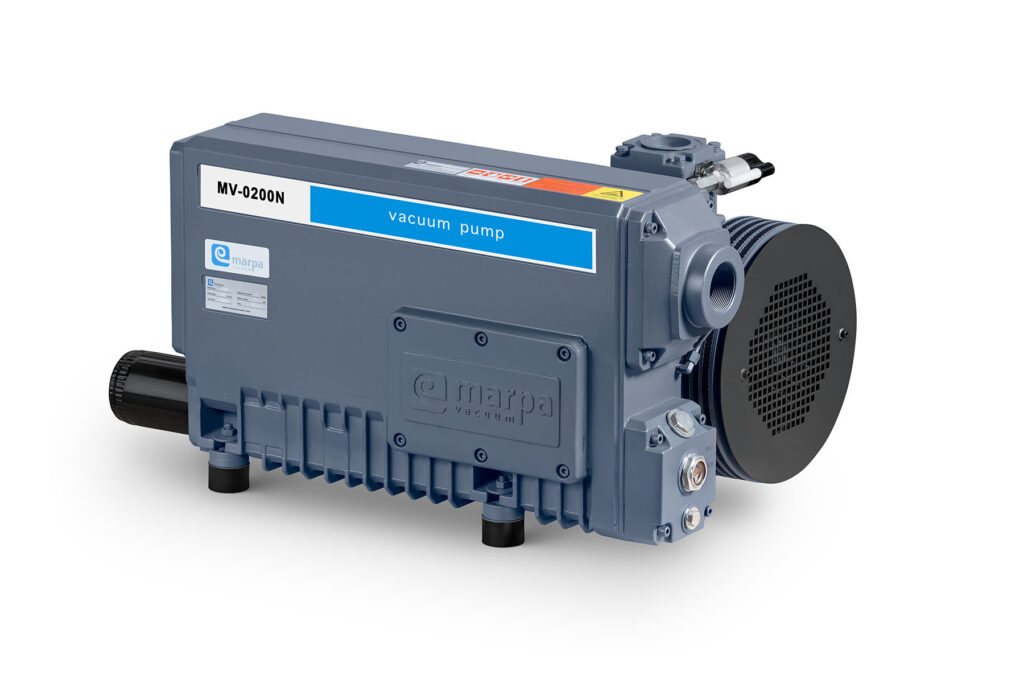
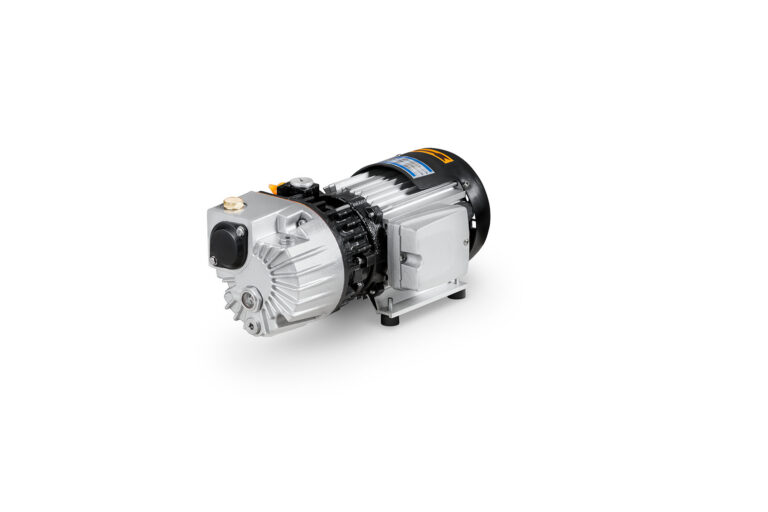
Applications of lubricated rotary vane pumps

Optimal solution Possible solution depending on the process
Applications / Technology MV MVD MVS-V MVC MVCP MVS-P MVS-VP MVR MVF
Packaging and food industry
Laboratory and scientific
Heavy industry and metallurgy
CNC, woodworking and graphic arts
Environment and transport
Oil and gas
Medical and hospital
Semiconductors and coatings

MV: Lubricated rotary vane vacuum pumps

MVD: Two-stage lubricated rotary vane vacuum pumps

MVS-V: Dry running rotary vane vacuum pumps

MVC: Claw vacuum pumps

MVCP: Claw compressors

MVS-P: Dry running rotary vane compressors

MVS-VP: Combined dry running rotary vane pumps (vacuum and pressure)

MVR: Roots booster vacuum pumps

MVF: Diaphragm vacuum pumps

Advantages of our single-stage lubricated rotary vane pumps

  • Robust, long-lasting construction
  • Wide flow range and low ultimate pressure
  • Easy maintenance
  • Good energy efficiency
  • Proven technology with established reliability
More advantages of our MV series

Frequently asked questions

It is a positive displacement vacuum pump in which a rotor fitted with sliding vanes turns eccentrically inside a stator; an oil film provides the internal sealing and makes it possible to reach vacuum levels close to 1 mbar absolute.

In the lubricated version, the oil lubricates, seals and cools the pump, which makes it possible to reach deeper vacuum levels. The dry version dispenses with oil and is reserved for processes in which no oil contamination can be tolerated.

The oil is the element that distinguishes this technology from its dry version, and it performs three functions at once: lubrication of all the moving mechanical parts, sealing —it forms a film over the inner surface of the stator that seals the gap between the vanes and the housing, making it possible to reach vacuum levels close to 1 mbar absolute— and heat dissipation of the heat generated by the compression of the gases.

In single-stage versions, the air/oil mixture is separated at the exhaust by means of a closed circuit with two complementary elements: an oil filter, which traps contaminants and preserves the lubricating and sealing properties of the oil, and an exhaust oil separator (demister), which captures the oil particles carried by the discharged gas and keeps the mist released into the environment to a minimum. The machine is additionally protected with a non-return safety valve and an inlet filter.

The operating cost of the oil is practically negligible compared with other costs such as energy or maintenance, which are very low on our pumps. The oil recirculates in a closed circuit inside the pump and the actual loss is minimal (below 1% of the sump volume) thanks to the built-in separator, which recovers most of the particles before the exhaust.

No, provided the pump is properly maintained (and maintenance on our pumps is minimal). The built-in separator (demister) traps more than 99% of the oil particles before the gas is expelled into the atmosphere. The residual mist is practically invisible and does not compromise air quality in an industrial facility.

This vacuum technology has one of the longest proven service lives on the market: with regular maintenance (oil and filter changes in line with the preventive schedule), a Marpa Vacuum lubricated rotary vane pump comfortably exceeds 30,000 operating hours. There are units with more than 20 years of service still operating in the field.

Yes, as we offer configurations with food-grade oils certified to the applicable standards, ideal for processes such as packaging, freeze-drying and others where any risk of cross-contamination must be avoided.

For a wide variety of industrial vacuum processes: packaging, pneumatic conveying, distillation, drying, impregnation and many others.