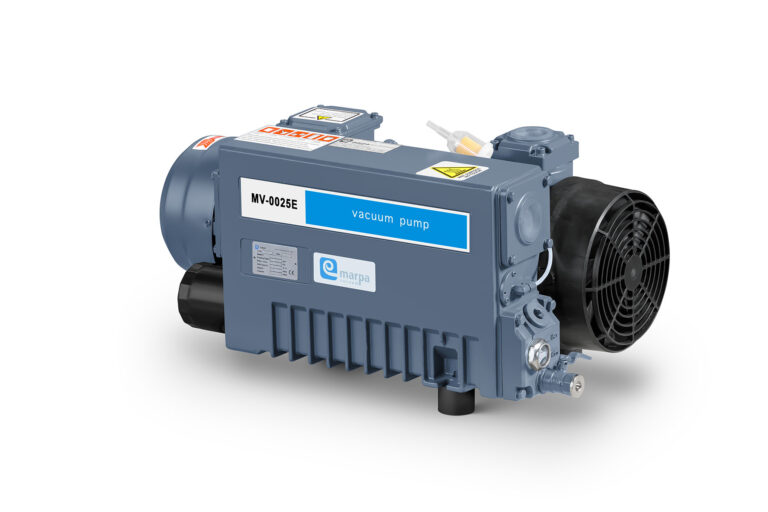
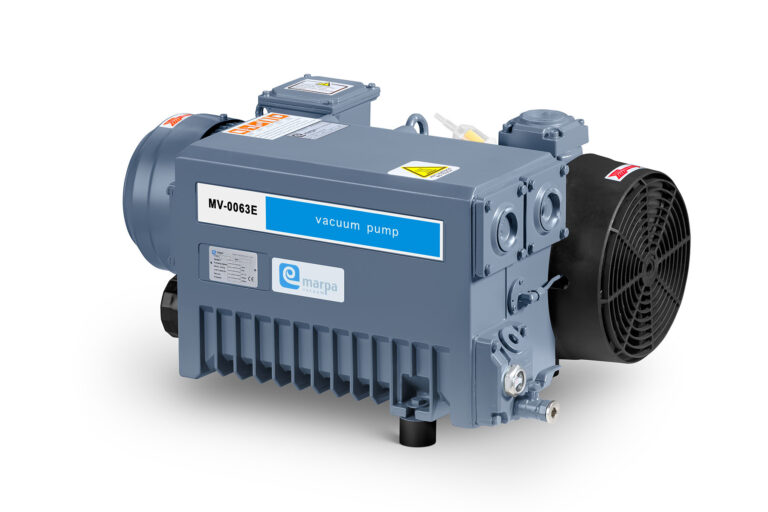
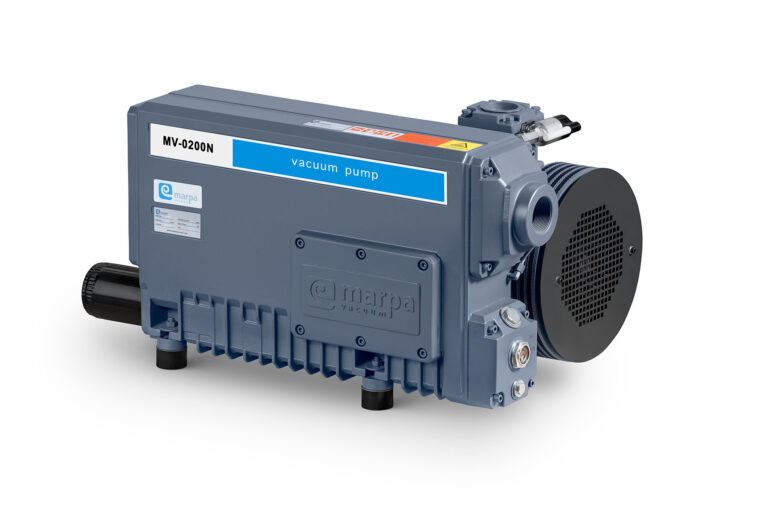
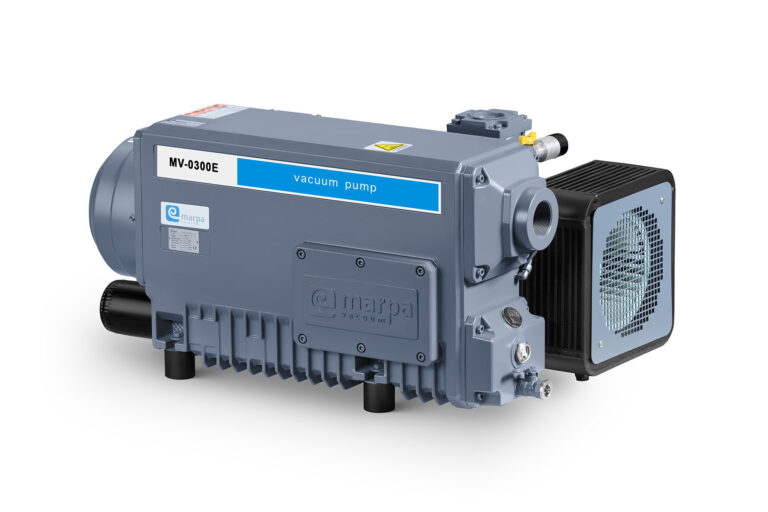
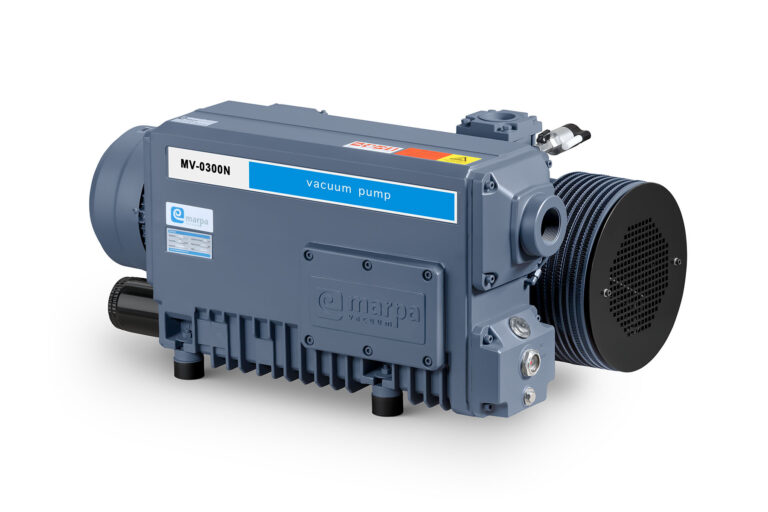
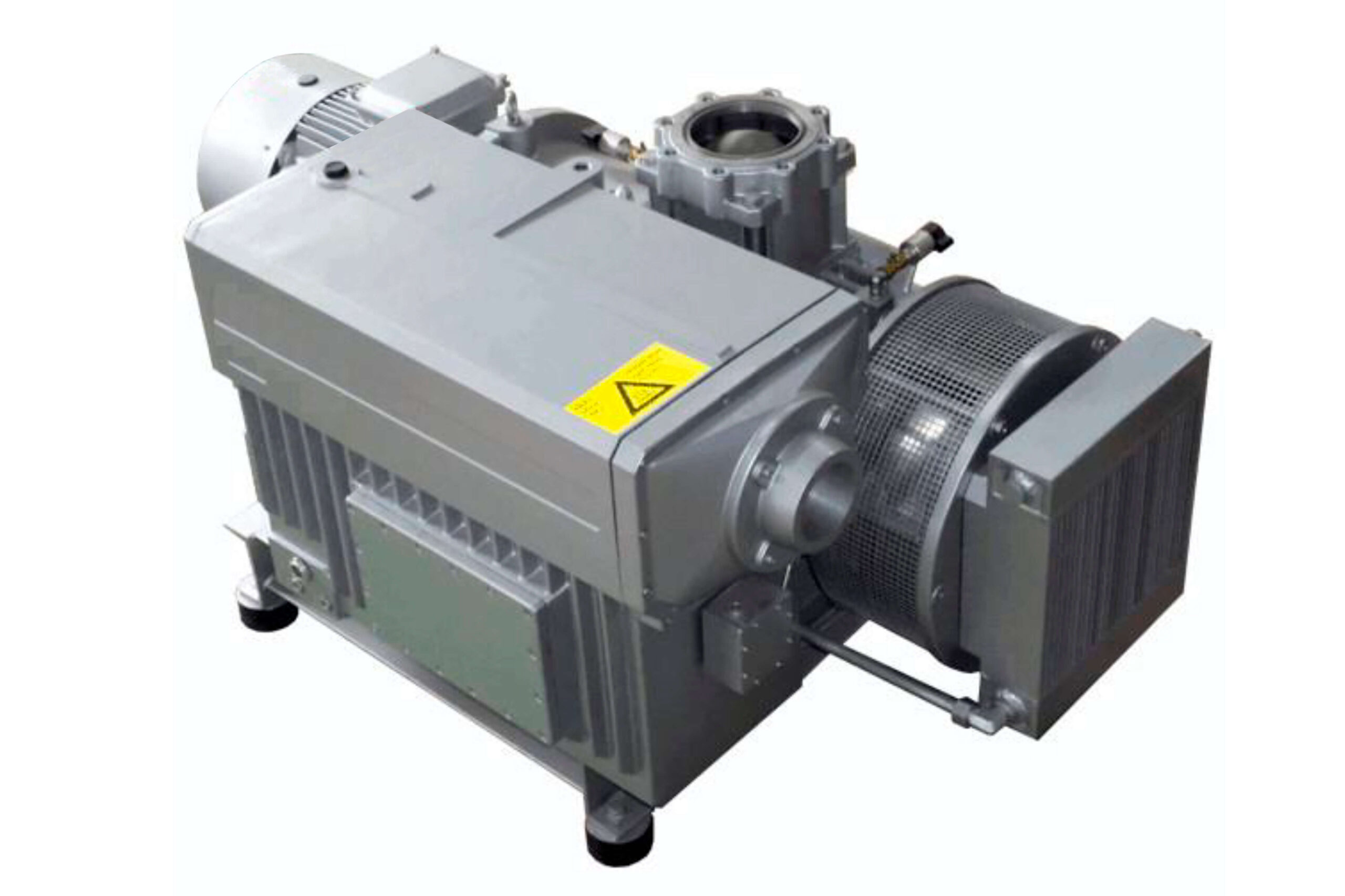
MV Series
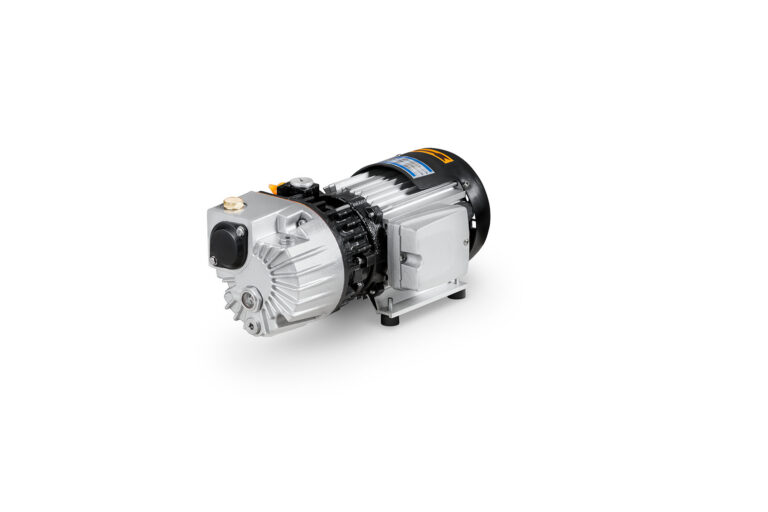
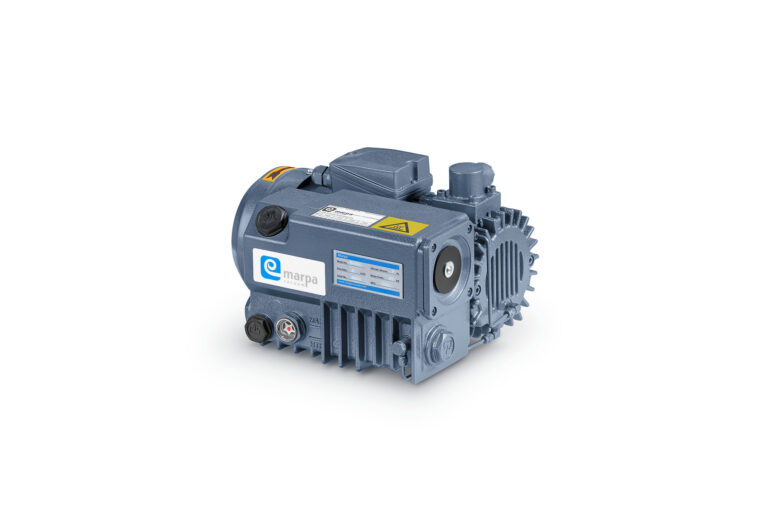
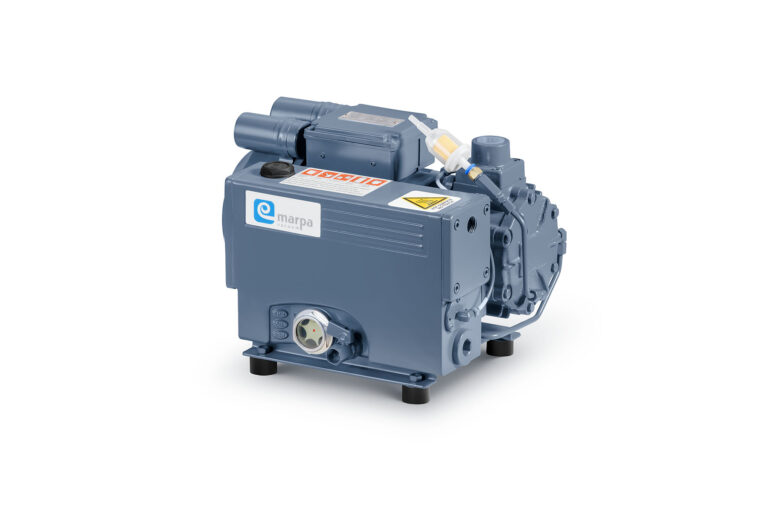
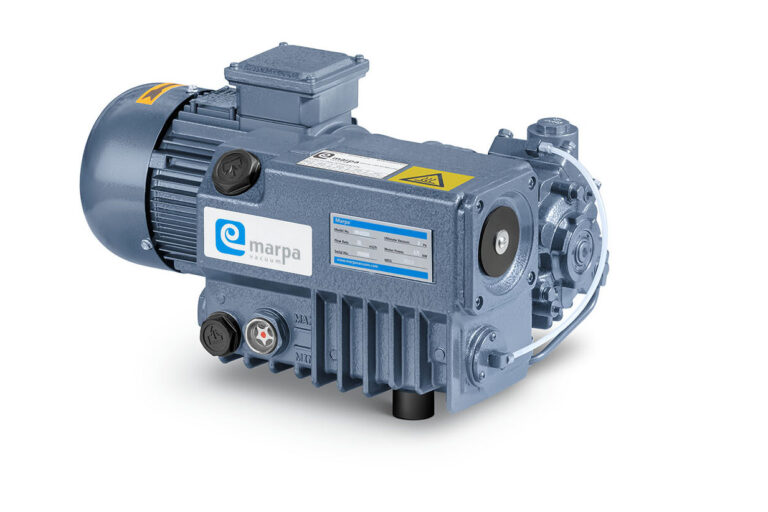
The MV Series pumps are lubricated rotary vane vacuum pumps: a rotor fitted with sliding vanes turns eccentrically inside the stator and, thanks to the oil film that seals the assembly, they reliably generate vacuum by drawing in, compressing and discharging the gas at atmospheric pressure.
The MV Series is a single-stage, air-cooled, direct-drive range with an oil recirculation system. Air cooling simplifies installation, as no water is required, and the direct drive removes the need for belts. Thanks to its integral exhaust filter unit, the discharged air is 99.9% oil-free. It is a compact, robust and long-lasting solution, easy to maintain and operate, ideal for industrial applications.
The series covers a wide performance range, with nominal pumping speeds from 8 to 756 m³/h, an ultimate pressure down to 0.1 mbar depending on the model and power ratings from 0.35 to 18.5 kW. See the full list of models below to find the configuration that best suits your process.
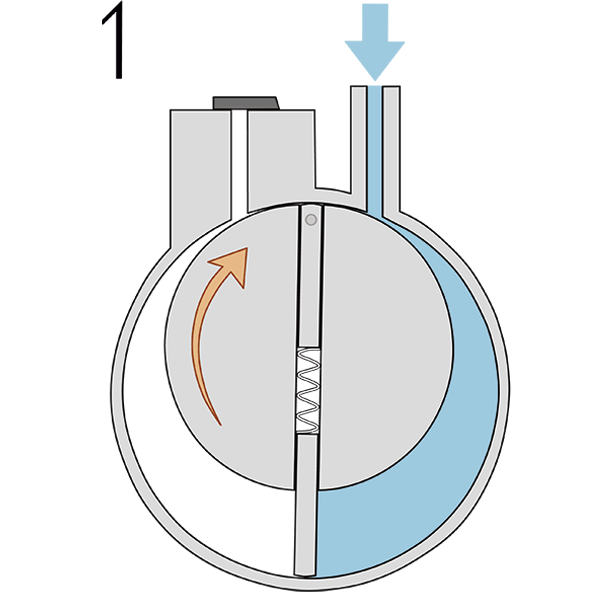
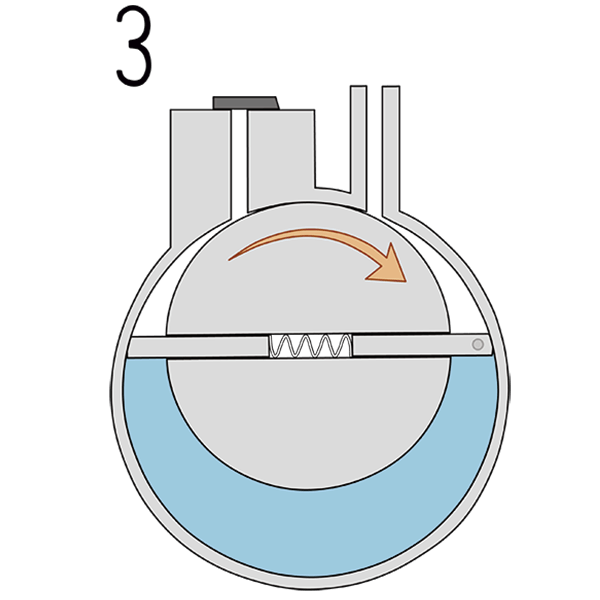
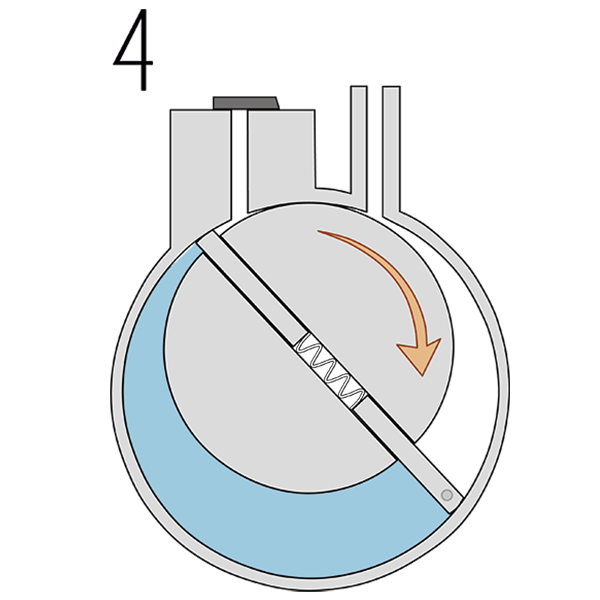
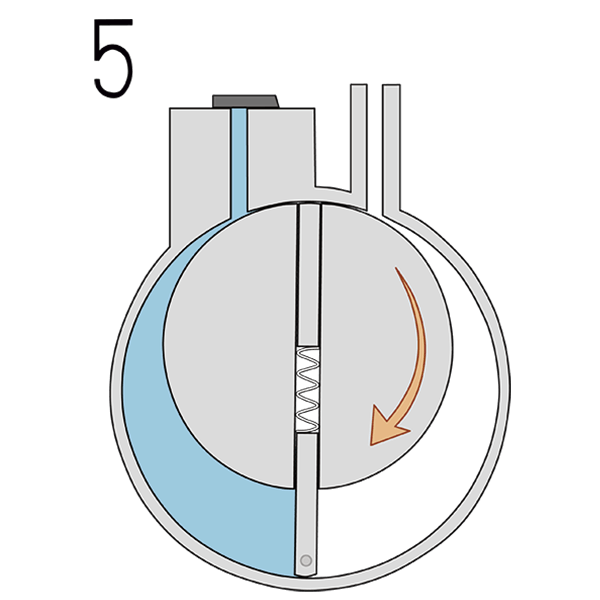
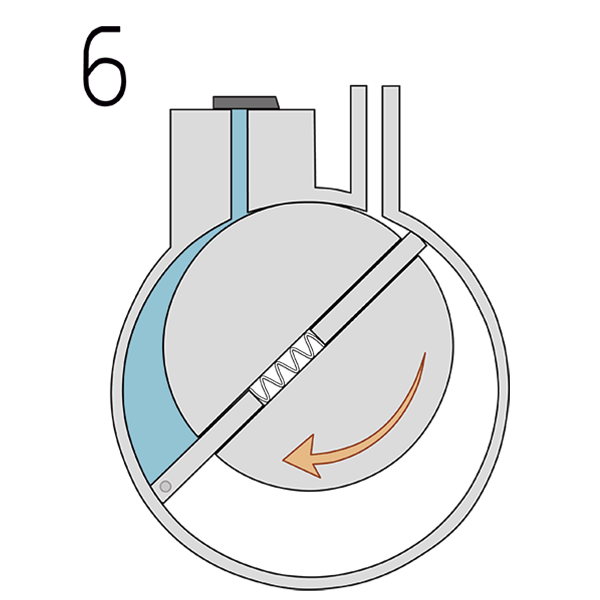
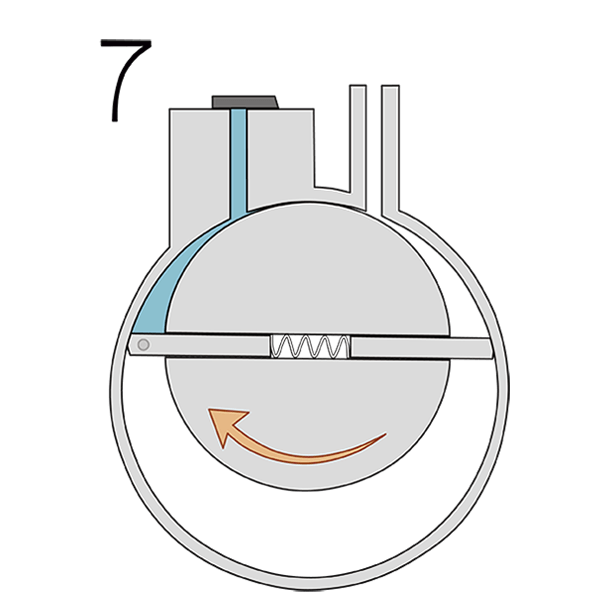
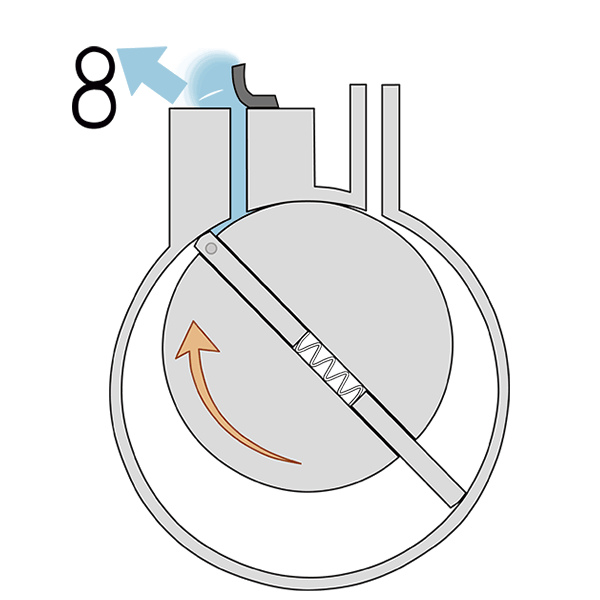
Operating principle of rotary vane pumps
1 — Intake (admission)
The vane uncovers the inlet port. The growing volume between the vane and the wall creates a partial vacuum and draws the cool air into the chamber.
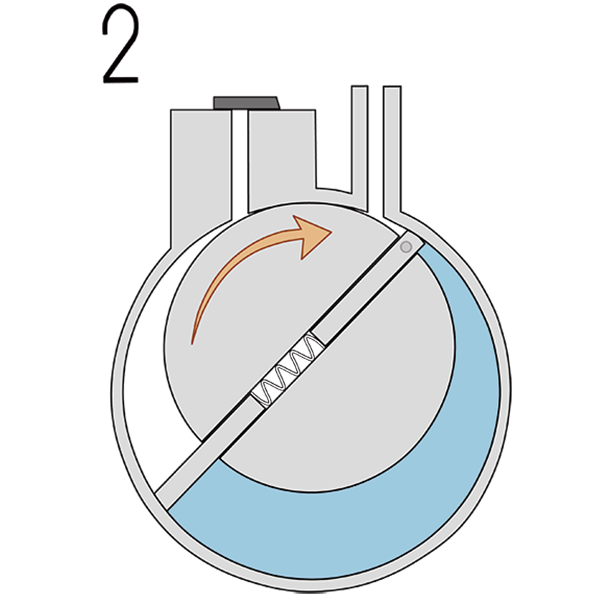
2 — Chamber filling
The rotor keeps turning and the intake chamber expands. More and more air enters, filling the expanding zone on the inlet side.
3 — Intake closing
The vane passes the inlet port and closes it. The volume of air is trapped and isolated between the vane and the stator wall.
4 — Volume transport
The isolated air is carried by the rotation towards the exhaust side, still without any appreciable reduction in its volume.
5 — Start of compression
As it approaches the point of tangency, the available space begins to shrink. The trapped air is compressed and its pressure rises.
6 — Maximum compression
The volume is reduced to a minimum near the tangency zone between rotor and stator. The air pressure reaches its peak value.
7 — Exhaust opening
The compressed air reaches the outlet port. The pressure overcomes the discharge valve and the air begins to be evacuated.
8 — Exhaust (discharge)
The compressed air leaves through the upper port towards the oil separator and the atmosphere. The vane is now ready to restart the cycle.